

.png)


Turtles
From rivers to ocean shores, turtles tell a timeless story


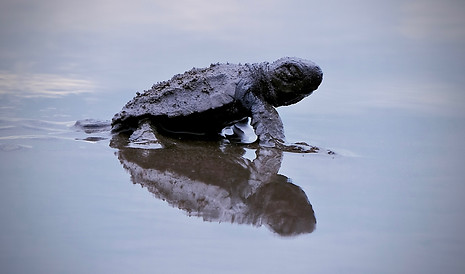
Discover the gentle world of turtles in Paquera, where both sea and freshwater species are part of the region’s rich biodiversity. Along nearby beaches, you may encounter sea turtles such as olive ridley and hawksbill turtles, especially during nesting seasons.
In rivers and mangroves, freshwater turtles can be seen resting along the banks or gliding quietly through the water. Whether by boat, kayak, or on foot, spotting turtles in their natural habitat is a peaceful and memorable experience—always best enjoyed with respect for wildlife and guided by local knowledge.
The ancient travelers of the ocean

Space available
Promote your tour or turtle conservation project here
+506 0000 0000
Three species of turtles are common in the Gulf of Nicoya, the hawksbill, the green and the olive ridley sea turtles. Hawksbills are the smallest of the three but have the most distinct shell. The pattern is diamond like and embossed. They are found around rocks and rocky islands where they spend most of their lives and is the least common of the three species.
The green sea turtle is the largest among this trio which also likes to spend its time close to shore around much of the same structure as the hawksbill. In recent years we have been seeing an increase of green seat turtles in the area.
The most common turtle encountered in the gulf is the olive ridley. It can be found close to shore but also way out to sea. This is the turtle that comes up on certain beaches to lay their eggs, in August, September and October.
Turtles are under a lot of pressure; from poaching of the eggs to getting caught or tangled in fishing gear and eating plastic. In more and more areas in Costa Rica, groups of people interested in doing something for the turtles get together and form turtle protection projects. It involves residents, seasonal residents (expats) and tourists as well.
Respect wildlife - protect nesting beaches
Space available
Promote your tour or turtle conservation project here
+506 0000 0000